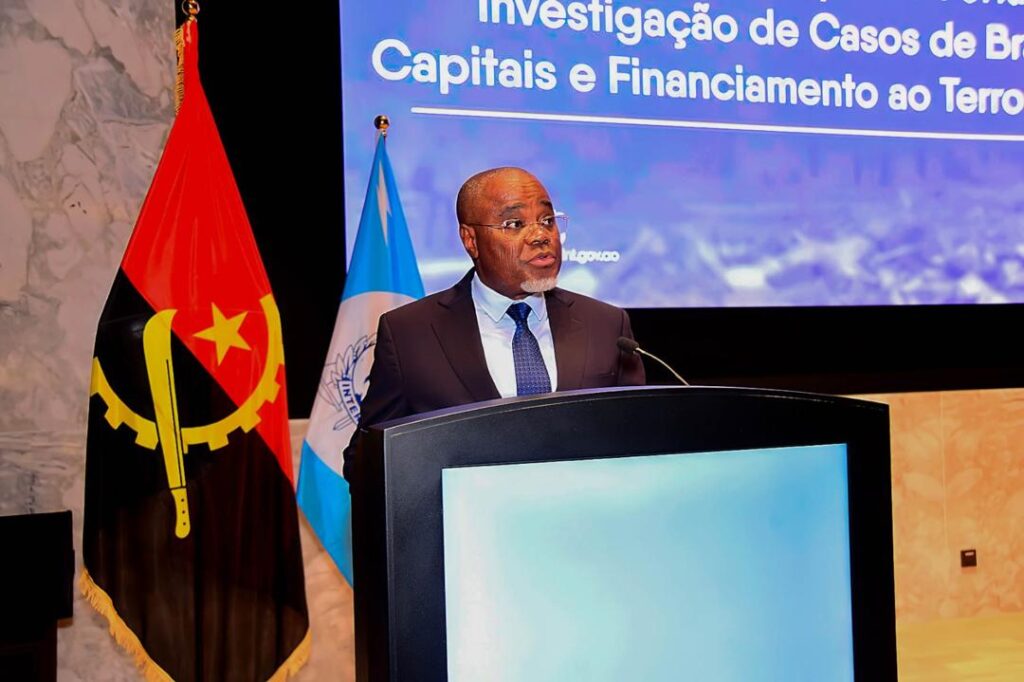
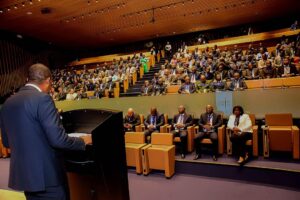
 The Regional Capacity-Building Workshop held in Luanda, Angola, from January 26 to 30, 2026, represents a landmark success in the collective security architecture of Southern Africa. This high-level initiative was co-organized by the INTERPOL Regional Bureau in Harare, the ISS-ENACT Project, and the Government of Angola, marking a significant milestone in regional efforts to combat Money Laundering (ML) and Terrorist Financing (TF).
The Angolan Ministry of the Interior played a pivotal role in hosting the event, ensuring a multidisciplinary engagement that integrated key national bodies, including the Financial Intelligence Unit (UIF), the National Bank of Angola (BNA), and the Criminal Investigation Service (SIC), alongside the Angolan Armed Forces and state security services. The workshop achieved widespread regional involvement, convening two operational experts one investigator and an intelligence officer from each of the sixteen SADC member states.
Strategic context and regional threat assessments were provided by facilitators from EWRAC, presented a comprehensive analysis of the regional security landscape. This presentation delineated current terrorism financing trends, patterns, and methodologies specific to the SADC region, establishing a critical foundation for understanding how extremist groups exploit regional vulnerabilities and boundless opportunities to mobilize funds.
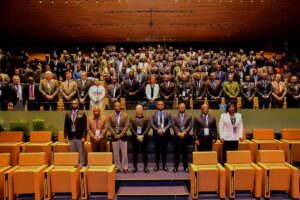
Building on this strategic framework, trainers from the Swiss-based i-intelligence GmbH, who facilitated specialized coursework on Professional Open Source Intelligence (OSINT). These experts equipped participants with advanced cyber investigation skills and rigorous methods for handling digital evidence, both of which are essential for detecting and disrupting sophisticated modern financial crimes in an increasingly complex digital environment.
The current regional situation remains challenging, with pervasive illicit financial flows and several SADC MS remaining on the FATF Grey List. This workshop addressed these strategic deficiencies by promoting the exchange of best practices and discussing strategies to exit and avoid international monitoring.
Regional efforts are now focused on transitioning from reactive models to preventive security measures, including the creation of an informal network of investigators for rapid information sharing. By fostering this level of cooperation between INTERPOL, regional intelligence bodies, and national law enforcement, the Luanda workshop has successfully created a regional pool of expertise dedicated to protecting the integrity of the Southern African financial ecosystem.