Date: 09 January 2026
Location: National Road 380 (N380), Xitaxi area, V Congresso locality, Mocímboa da Praia District, Cabo Delgado Province
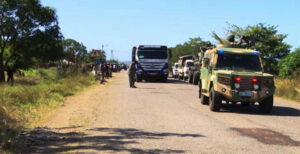
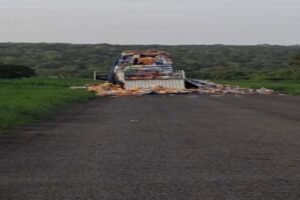
On 09 January 2026, two civilians were wounded following a firearm attack by Islamic State Mozambique (IS-M) militants targeting a civilian goods convoy along National Road 380 (N380). The incident occurred in the vicinity of Xitaxi, within the V Congresso locality, on the stretch linking Macomia-sede to the town of Oasse, Cabo Delgado Province.
As a result of the attack, traffic along N380 was suspended until 10 January 2026, significantly disrupting the movement of people and commercial goods along this critical supply route. During the ambush, IS-M elements reportedly seized food supplies and other unspecified goods. The convoy was under escort by the Mozambique Defence Forces (FADM) at the time of the incident, underscoring the continued vulnerability of escorted civilian traffic in contested areas.
National Road 380 has remained a recurrent target of IS-M operations since October 2023. Notably, in August 2024, the group reportedly established informal “zakat” collection points at certain sections of the road, coercing transiting civilians and traders into making payments in exchange for passage and perceived security.
The current situation presents two concerning and interlinked scenarios. First, the disruption of commercial traffic is likely to exacerbate the already fragile economic conditions in Mocímboa da Praia, as delays and interdictions of goods contribute to scarcity, price inflation, and reduced market equity. Second, persistent attacks despite military escorts risk further eroding traders’ confidence in state-provided security measures.
This erosion may incentivize commercial transporters to increasingly rely on informal arrangements with IS-M, including the payment of “zakat,” as a means of ensuring safer passage and continuity of trade.
If left unaddressed, these dynamics may further entrench IS-M’s parallel control over key economic corridors, undermining state authority, local livelihoods, and longer-term stabilization efforts in northern Cabo Delgado.