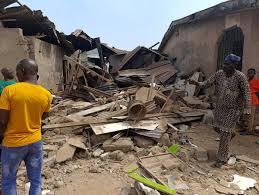
Illustrative image
At least 23 civilians were reportedly killed, and two FARDC soldiers burned to death, during a double coordinated ISCAP firearm attack on civilian communities in Lubero Territory, eastern DRC, late January 2026. Casualty figures remain preliminary and subject to verification.
The attacks occurred in the villages of Mavwe Mavwe and Musenge, located in the Mwenye groupement of Baswagha chiefdom. The first incident was reported on the night of 19–20 January, when suspected ISCAP terrorists opened fire on civilians in Mavwe Mavwe, resulting in multiple civilian deaths and the burning of several homes.
A second, more severe attack followed on the night of 25 January in Musenge village, where the majority of reported fatalities occurred. Local sources indicate that at least 23 civilians were killed, dozens of homes were destroyed, and civilian infrastructure including a health center and a Catholic church were set ablaze. During the same incident, two Congolese army (FARDC) soldiers were found burned beyond recognition.
The group burnt 63 houses, two motorcycles destroyed and at least one civilian sustained serious injury. Due to access constraints and ongoing insecurity, independent verification of casualty figures has not yet been completed.
The attack triggered significant population displacement, with hundreds of civilians fleeing toward Masoya village, Mwenye town, and the city of Butembo, approximately 30 kilometres away. Displaced residents reported leaving due to fear of additional attacks, indicating sustained insecurity in rural Lubero.
Colonel Kiwewa Mitela Alain, military administrator of Lubero Territory, confirmed the incidents and the extent of destruction, stating that casualty figures remain provisional pending verification by joint Congolese and Ugandan security teams deployed to the affected villages.
These attacks demonstrate continued ISCAP operational capacity, including coordinated small-arms assaults and systematic arson targeting civilian settlements. EWRAC, assess that without improved civilian protection and recalibrated security deployments, the risk of further attacks in Lubero Territory remains high.