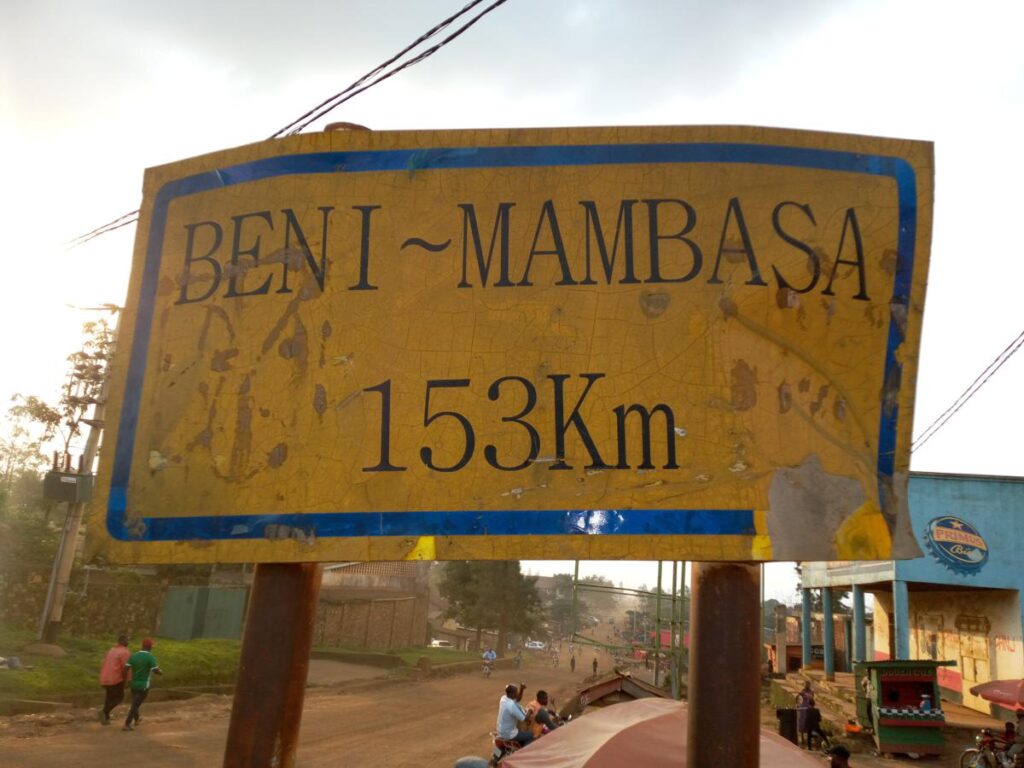
As a result of an ISCAP-claimed attack, the civilian death toll in Bafwakoa, Mambasa territory, Ituri province, has risen from eleven (11) to thirty-two (32), and now stands at forty-three (43) fatalities as of 2 April 2026, according to an official statement from the FARDC operational sector in Ituri. The victims, largely linked to mining and transport activities along the RN4 axis, were buried by rescue teams on 4 April. The attack, initially targeting a convoy transporting gold mining equipment, has evolved into one of the deadliest recent incidents in the area.
CT Ops
FARDC has confirmed the launch and intensification of targeted counterterrorism operations aimed at neutralizing ISCAP elements entrenched in nearby forested zones. Troop movements toward these areas have been reported, indicating a shift toward pursuit and clearance operations. Authorities have stated that measures are being implemented to restore state authority and reinforce civilian protection along the affected corridor.
Situation Update and Impact
The attack has triggered significant population displacement toward Nia-nia, where economic activity was temporarily paralyzed before partially resuming. The RN4 corridor remains highly volatile, with restricted movement and persistent fear among civilians. Civil society actors report approximately one hundred (100) deaths over a two-week period in Mambasa, underscoring a sustained escalation trend.
Analysis
The increase in casualties reinforces ISCAP’s intent to dominate the RN4 economic corridor, particularly targeting mining-linked logistics. This axis is critical for the movement of gold and agricultural commodities, making it a strategic objective for insurgent disruption and control. The systematic targeting of civilians associated with extraction and transport suggests a deliberate effort to collapse economic resilience and assert influence over resource flows.
If current operations fail to secure the corridor and dismantle insurgent rear bases, ISCAP is likely to entrench further, transforming RN4 into a persistent high-risk zone. Sustained military pressure, combined with route securitization and community-based intelligence integration, will be decisive in reversing this trajectory.