Islamic State of Mozambique has claimed responsibility for a firearm ambush targeting a convoy of the Rwandan Defence Force (RDF) in Namigure, Macomia District, on 29 December 2025.
According to the group’s claim, five Rwandan soldiers were killed, two wounded, and several weapons seized during the attack. The incident reportedly occurred on National Road NR380 connecting Macómia and Mocímboa da Praia, areas that remain strategically significant despite sustained counter-insurgency operations.
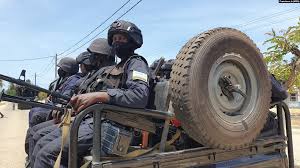
Ilustrative image
While the casualty figures and weapon seizures remain unverified, the claim itself is operationally and strategically relevant. IS-M continues to prioritise high-visibility attacks against foreign forces, particularly the RDF, which is perceived by the group as a central pillar of the Mozambican government’s counter-terrorism posture. Such claims serve both propaganda and psychological warfare objectives, aimed at undermining perceptions of security gains in recaptured districts.
The reported ambush underscores the persistent insurgent capability to conduct mobile, small-unit attacks along supply and patrol routes, exploiting terrain familiarity and gaps in convoy security. It also highlights the continued contestation of inland and transit areas, even as coastal towns remain under government and allied control.
Strategically, the incident signals that IS-M is seeking to reassert relevance and operational momentum by targeting international partners, thereby attempting to internationalise the conflict narrative and deter sustained foreign military engagement.
National Road NR380 is the most critical security artery in northern Cabo Delgado, linking Pemba, Macomia, Mocímboa da Praia, and Palma. Its strategic importance to military logistics, humanitarian access, and civilian movement makes it a high-value target for Islamic State of Mozambique. Dense terrain, predictable convoy routes, and proximity to contested districts enable frequent ambushes. Continued insecurity along NR380 undermines counter-insurgency operations, restricts humanitarian access, weakens economic recovery, and allows insurgents to project relevance without holding territory.